Boilies for Carp Fishing. What Works, When, and Why
Boilies are one of the most consistent ways to catch carp, especially when you want a bit more control over how and where fish feed.
They’ve been around for years, but they still work because they let you fish in a more deliberate way — you’re not just getting fish grazing, you’re getting them picking up individual baits.
That difference matters, particularly when you’re trying to be more selective or build a response over time rather than just getting quick bites.
Used properly, boilies aren’t just about putting bait out and hoping for the best — they’re about creating a feeding pattern that fish recognise and return to with confidence.
Boilies Explained
What makes boilies so effective comes down to how carp respond to them once they recognise them as a food source.
Unlike smaller baits that encourage fish to graze, boilies tend to create more deliberate feeding, with carp moving in and picking them up one by one rather than drifting through an area.
That changes the way your fishing works, because each bait is clearly defined, giving you more control over how fish interact with what you’ve introduced, whether you’re fishing a tight area or spreading bait more loosely.
Over time, that consistency is what builds confidence, and once fish are used to feeding on boilies, they’ll often return to them regularly, which is why they’re so effective when you keep your approach consistent rather than constantly changing things — provided they’re being introduced in the right areas and are recognised as a genuine food source rather than something fish can ignore.
Types of Boilies
Most boilies fall into a few broad types, and the main difference between them is how fish respond to them over time rather than what’s actually in them.
Some are designed to act as a proper food source that fish will keep coming back to, while others are more about creating a quick response and getting bites in the short term.
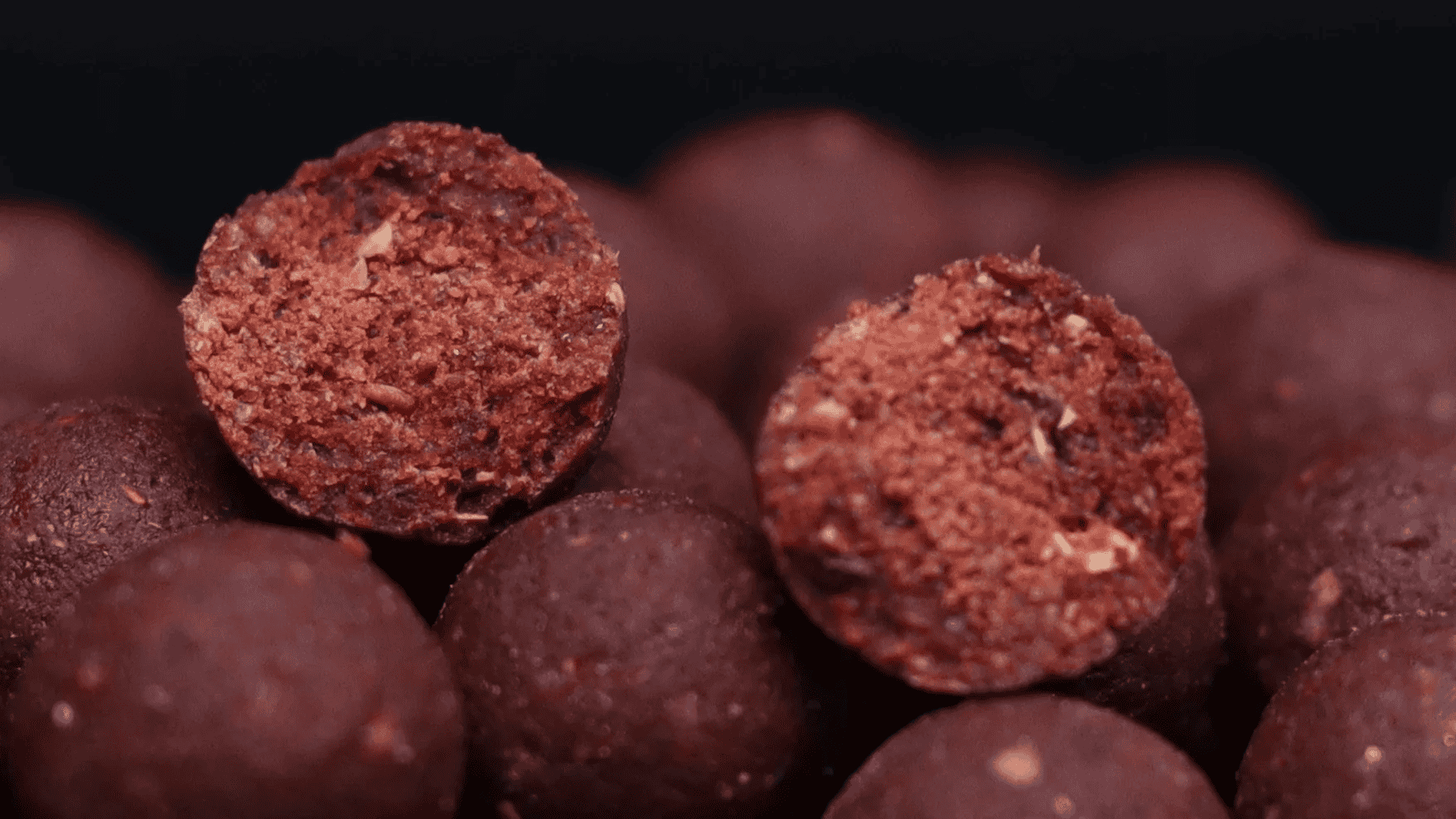
Food Bait Boilies
Food bait boilies are built to be recognised and accepted as something carp can feed on regularly.
They tend to work best when you’re fishing consistently or over longer sessions, where fish have time to build confidence and return to the same bait again and again.
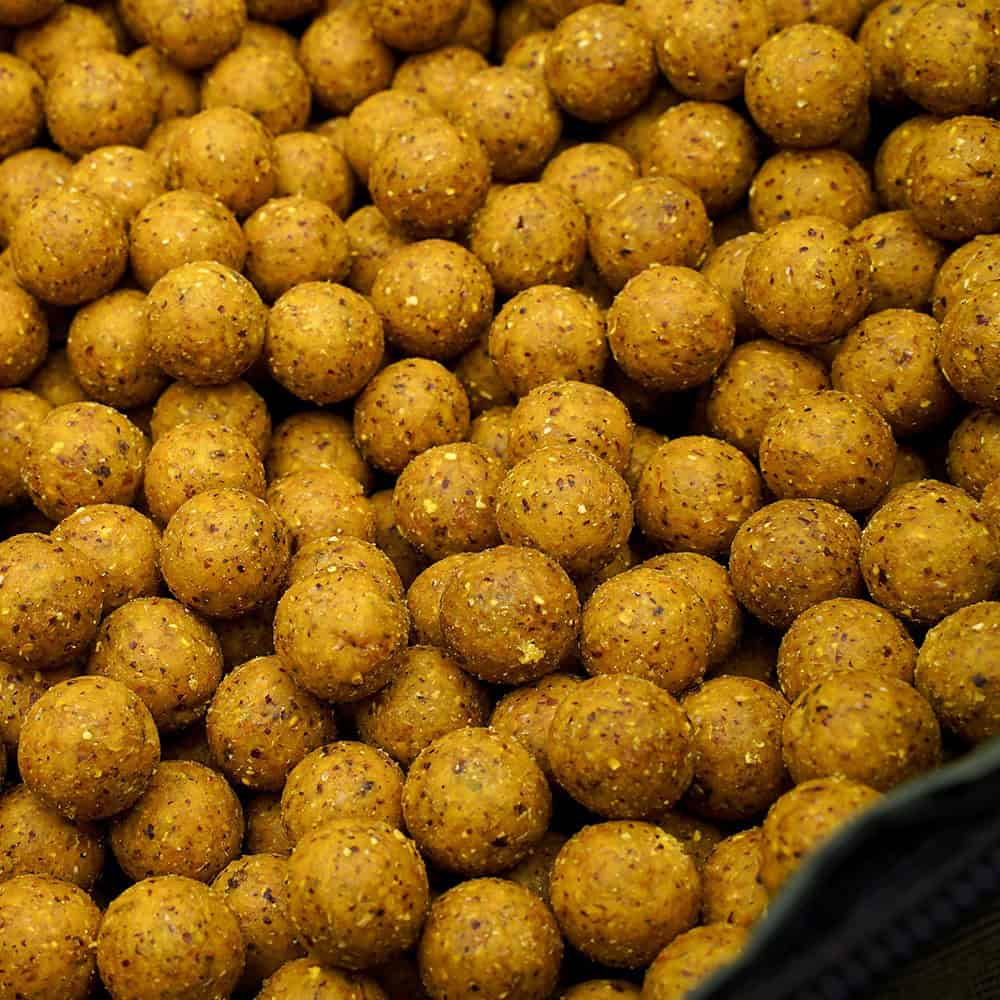
High-Attract Boilies
High-attract boilies are designed to get noticed quickly, often using strong flavours and additives to pull fish into the area.
They’re more suited to short sessions or situations where you’re looking to trigger a quick bite rather than build a long-term feeding pattern.
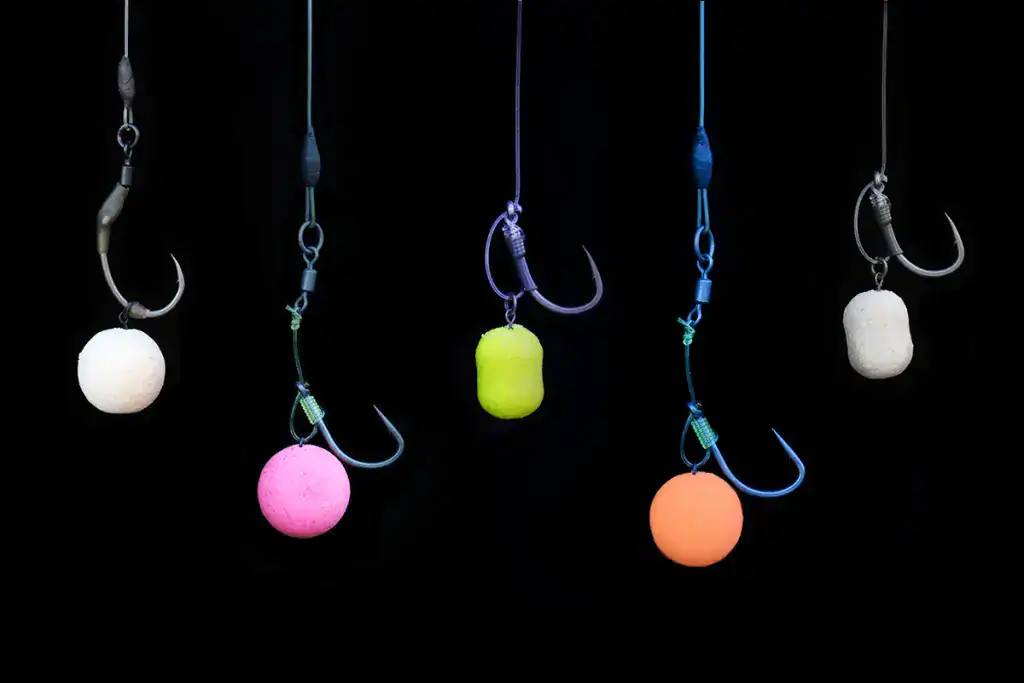
Hookbaits
Hookbaits are less about feeding fish and more about how your rig behaves in the water.
Things like pop-ups, wafters, and harder hookbaits are used to make your bait stand out or sit differently, which can make a big difference when fish are wary or conditions are tricky.
How To Get The Most From Boilies
Boilies aren’t typically used on their own — most of the time, they’re part of a wider baiting approach (though boilie-only can be very effective).
They work well alongside pellets or particles in a spod mix, where they add a larger food item into the mix and give fish something more substantial to home in on once they’re feeding.
How you use them often comes down to the time of year, with richer food baits like fishmeals coming into their own in warmer months when carp are feeding properly, while in colder conditions, lighter options such as birdfood or milk protein baits are often easier for carp to digest.
It also depends on how you want to bait, as you might fish just boilies for a more selective approach or mix them in with pellets or particles to create more activity in the swim, depending on whether you’re trying to build a response over time or get fish feeding quickly.
That’s where the difference between food baits and high-attract baits shows up, with food baits suiting consistent fishing where you want fish to keep returning, while high-attract baits are better for short sessions and quicker reactions.
How To Approach Boilie Fishing
Boilie fishing doesn’t need to be complicated — it’s more about being consistent with where you’re putting your bait and how you introduce it. Once you’ve found the right areas, keeping things steady and predictable usually works better than constantly changing things.
A lot of the time it comes down to restraint — you don’t need to pile bait in straight away, and starting with a sensible amount then adjusting based on how fish respond will usually give you a much clearer picture of what’s going on in your swim.
Over time, that consistency builds confidence, and if fish are comfortable feeding on your bait in the same areas, they’re far more likely to return and feed more freely.
If you want to build this out further, it’s worth looking at rigs and how different hookbait presentations work alongside boilies.