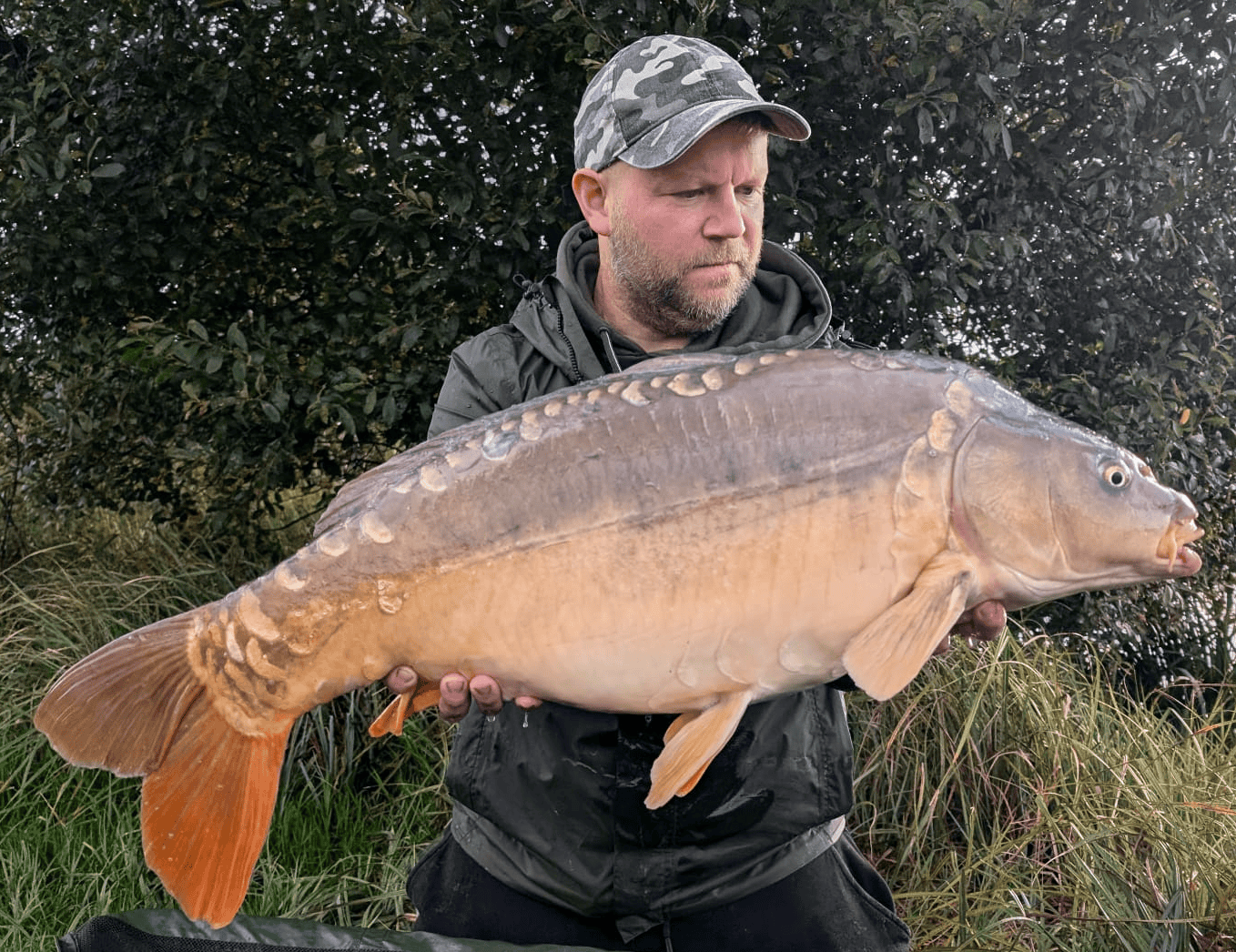
Carp Bait.
A Simple Guide To What Actually Works
Carp bait is one of the biggest talking points in fishing — and if you listen to enough anglers, you’d think you need the latest “must-have” bait to stand a chance.
However, carp aren’t fussy in the way people make out. They’ll happily feed on a wide range of food — from natural insects and snails through to boilies, particles, and pellets introduced by anglers.
What actually makes the difference is when you use your bait, where you put it, and how you apply it.
Bait choice does start to matter more when:
- The lake is pressured
- The fish have seen it all before
- You’re trying to stay on fish over longer sessions
This section of the site breaks carp bait down properly — so you can keep things simple, but still make the right decisions when it counts.
Carp Bait Explained
Carp are opportunistic feeders — they’ll eat whatever is most available and easiest to find.
In UK waters, that usually means a mix of:
- Natural food like insects, snails, and bloodworm
- Bait introduced by anglers, such as boilies, particles, and pellets
What they respond to can change quickly depending on the lake, the season, and how much pressure they’re under.
If you want to get a better feel for how this plays out on the bank, it’s worth looking at how natural carp bait works, why particle fishing is so effective, and how different carp bait types fit different situations.
Types of Carp Bait
Most carp bait falls into a few simple groups — and once you get your head around them, it all starts to make a lot more sense.
You don’t need loads of different bait. You just need to know what each one does and when to use it.
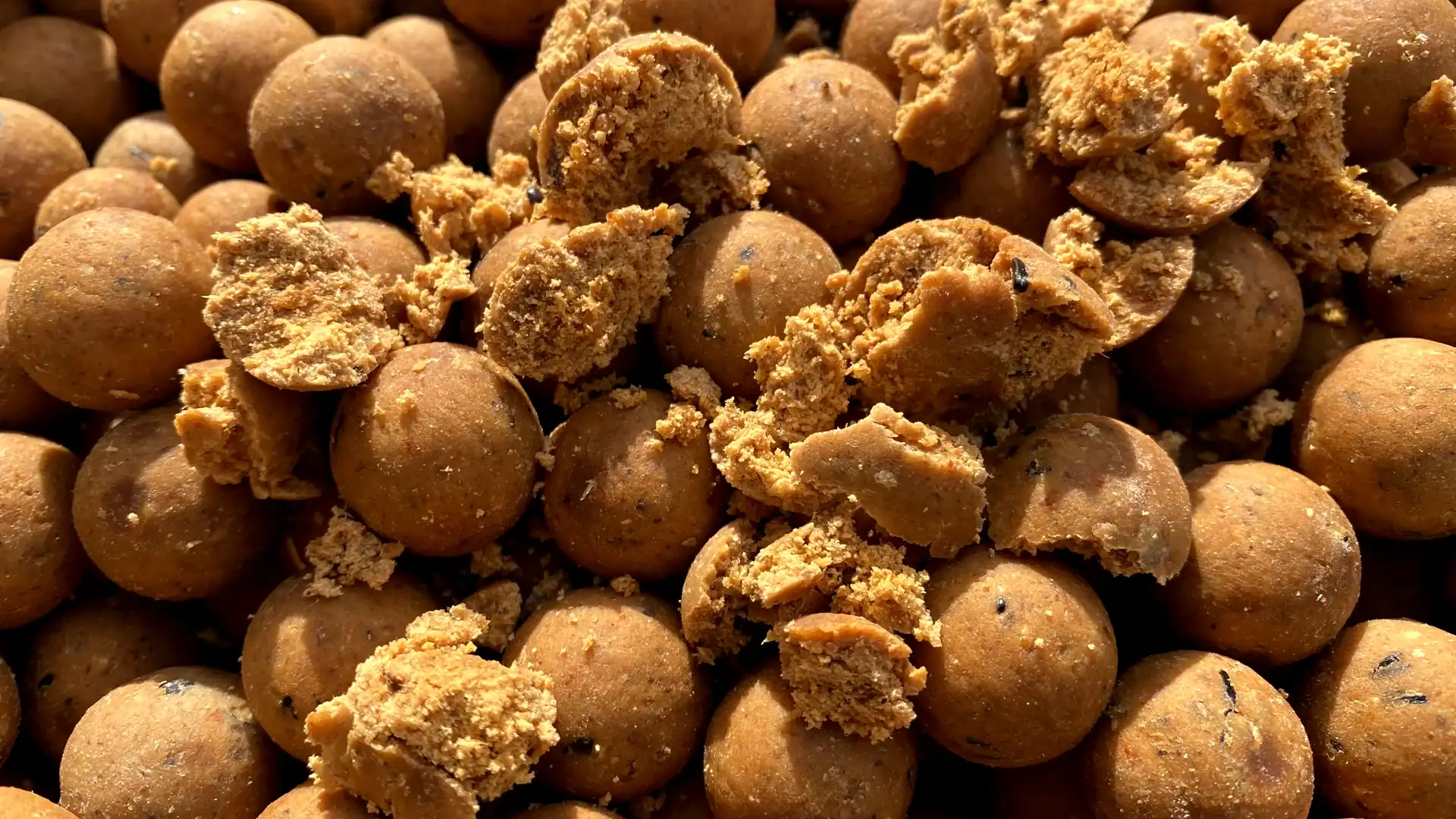
Boilies
Boilies are what most anglers rely on — simple, consistent, and easy for building a session.
They come into their own when you’re fishing longer sessions or trying to stay on fish.
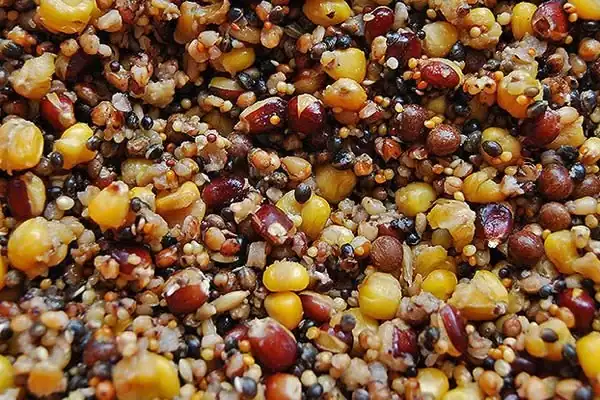
Particles
If you just want bites, it’s hard to beat particles.
Corn, hemp, and tigers will keep fish rooting around in your swim and coming back for more — especially on pressured waters.
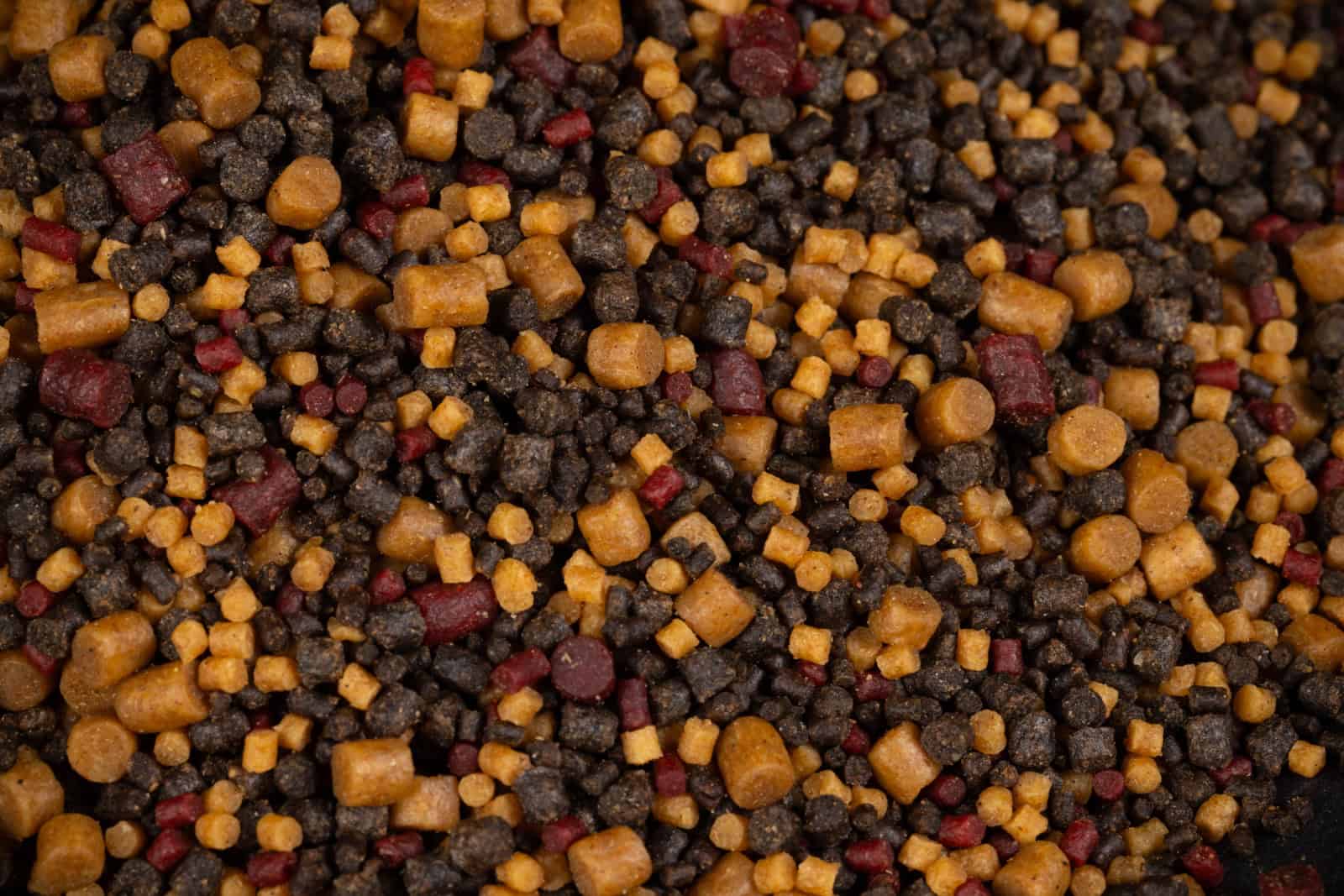
Pellets
Pellets are great for getting a quick response and pulling fish into your swim.
They break down quickly, release oils and attraction into the water, and create competition as fish move in to feed.
Natural Baits
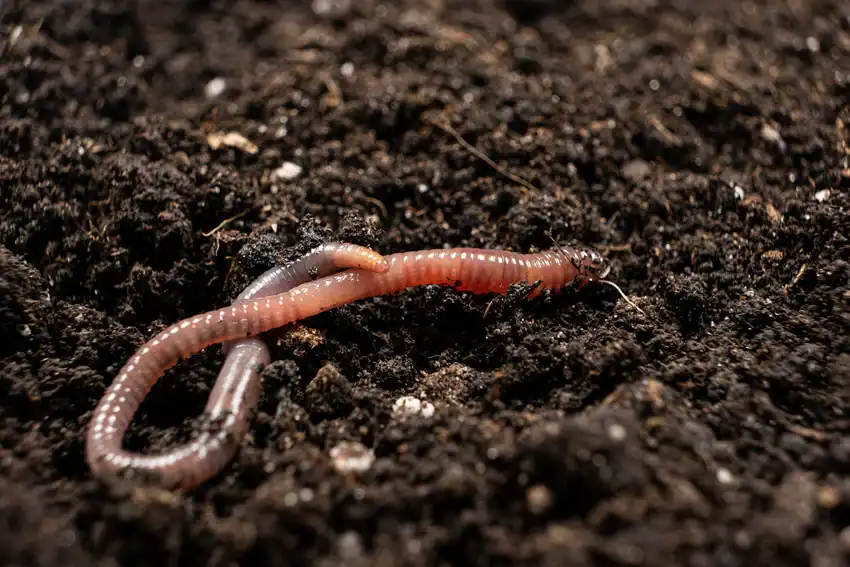
This is what carp are already used to eating — things like worms, snails, and insect life.
On waters with loads of natural food, matching that can make a big difference, especially when fish are feeding confidently in certain areas.
Seasonal Carp Bait
Carp don’t feed the same way all year round — and your baiting shouldn’t stay the same either.
As water temperatures and natural food levels change, so does how much carp eat and what they’re willing to feed on.
Spring
As temperatures rise, carp start feeding more regularly again.
It’s a good time to build things up gradually and get them used to feeding on your bait.
Summer
This is when carp are most active and feeding heavily.
You can get away with introducing more bait, especially if you’re on fish and building a feeding area.
Autumn
Carp often feed hard before winter sets in.
It’s a great time to stay consistent with baiting and make the most of increased feeding spells.
Winter
In colder water, carp feed less and move less.
You’re usually better off keeping baiting light and focusing on easily digestible options that won’t overfeed them.
At the end of the day, the key is adjusting your baiting to what the fish are doing in front of you, rather than sticking rigidly to a plan.
Carp Bait Brands
There’s no shortage of carp bait brands out there, and if you spend any time on the bank, you’ll hear plenty of opinions on which ones are “best”.
The truth is, you don’t need expensive bait to catch carp. On a lot of waters, location and presentation will matter far more than the name on the bag.
Where brands tend to come into their own is on more pressured venues, or when you’re trying to stay on fish over longer sessions. That’s where things like consistency, digestibility, and how the bait breaks down can start to make a difference.
Most of the well-known bait companies are built around that — producing bait that behaves the same every time and that carp learn to recognise as a safe food source.
At the same time, there’s no single “best” brand. What works well on one lake won’t always stand out on another, so it’s always worth paying attention to what the fish in front of you are responding to.
If you want a proper breakdown of the main options, have a look at our carp bait brands guide and what each one is known for.
Choosing The Right Carp Bait
Choosing the right carp bait doesn’t need to be complicated — most of the time, it just comes down to what’s happening in front of you.
If the fish are feeding confidently, you’ll usually get away with keeping things simple. But when they’re under pressure or not quite having it, that’s when bait choice and presentation start to make a bit more difference.
A lot of it comes down to reading the situation. On easier waters, it’s often just a case of getting bites and building a bit of confidence in your swim. On tougher venues, or longer sessions, you’re thinking more about how your bait behaves, how consistent it is, and whether it’s something the fish will keep coming back to.
That’s where people tend to overthink it.
In reality, you’ll catch far more carp by getting your location right and presenting your bait well, then using bait to support that — not the other way round.