Particle Fishing for Carp.
How To Choose and Use Them
Particle fishing is one of the most reliable ways to get bites, especially when carp are under pressure or feeding cautiously.
It’s simple, effective, and often overlooked in favour of more complicated baiting approaches, but on the right water it can completely transform your results.
Carp are naturally drawn to small food items they can graze on, and once they start feeding on particles, they tend to stick around and keep coming back for more.
When it’s used properly, particle fishing isn’t just about getting quick bites — it’s about creating a situation where fish feel confident feeding in your swim.
Particle Fishing Explained
What makes particle fishing so effective comes down to how carp behave when they’re feeding on it. Instead of moving in and picking up a single bait, they tend to drift through the area, grazing as they go and taking in small food items without focusing on anything in particular.
Because of that, their guard drops slightly. They’re not locked onto one obvious target, so your hookbait is far more likely to be taken naturally as part of everything else going on in the swim.
That same behaviour is what keeps them there. As long as there’s enough to hold their interest, they’ll keep moving, searching, and feeding, which is why particle fishing often works best when you’re building a swim over time rather than looking for a quick bite.
If you want to see how this compares to other approaches, it’s worth looking at natural carp bait and how pellets work alongside particles.
Types of Particles
Most particle fishing revolves around a handful of tried-and-tested baits, each with its own strengths depending on how you’re fishing and what the fish are responding to.
You don’t need loads of different options — just a few that you understand and can use with confidence.
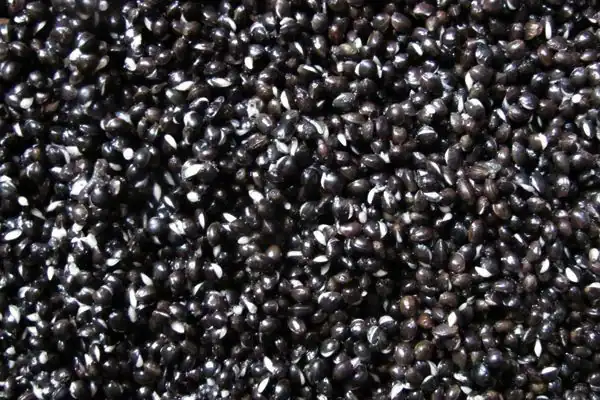
Hemp
Hemp is one of the most effective particles for getting fish feeding, thanks to its small size and the way it encourages constant grazing.
Once carp get onto it, they tend to stay in the area, picking through it for long periods.
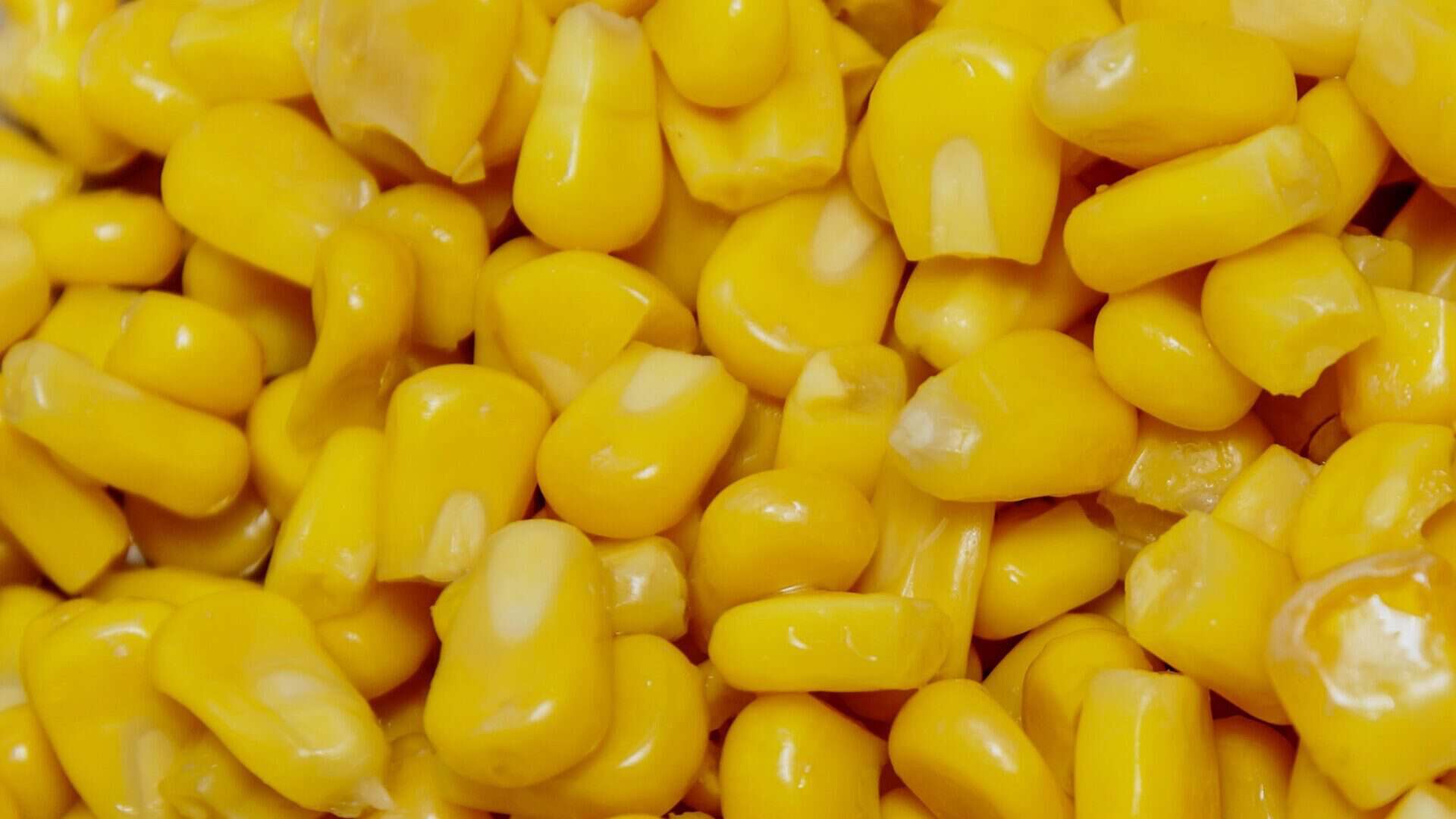
Sweetcorn
Sweetcorn is simple, visible, and easy for carp to find, making it a great option for building a swim or adding something more obvious to your mix.
It works well on its own or alongside other particles to give fish something slightly larger to home in on.
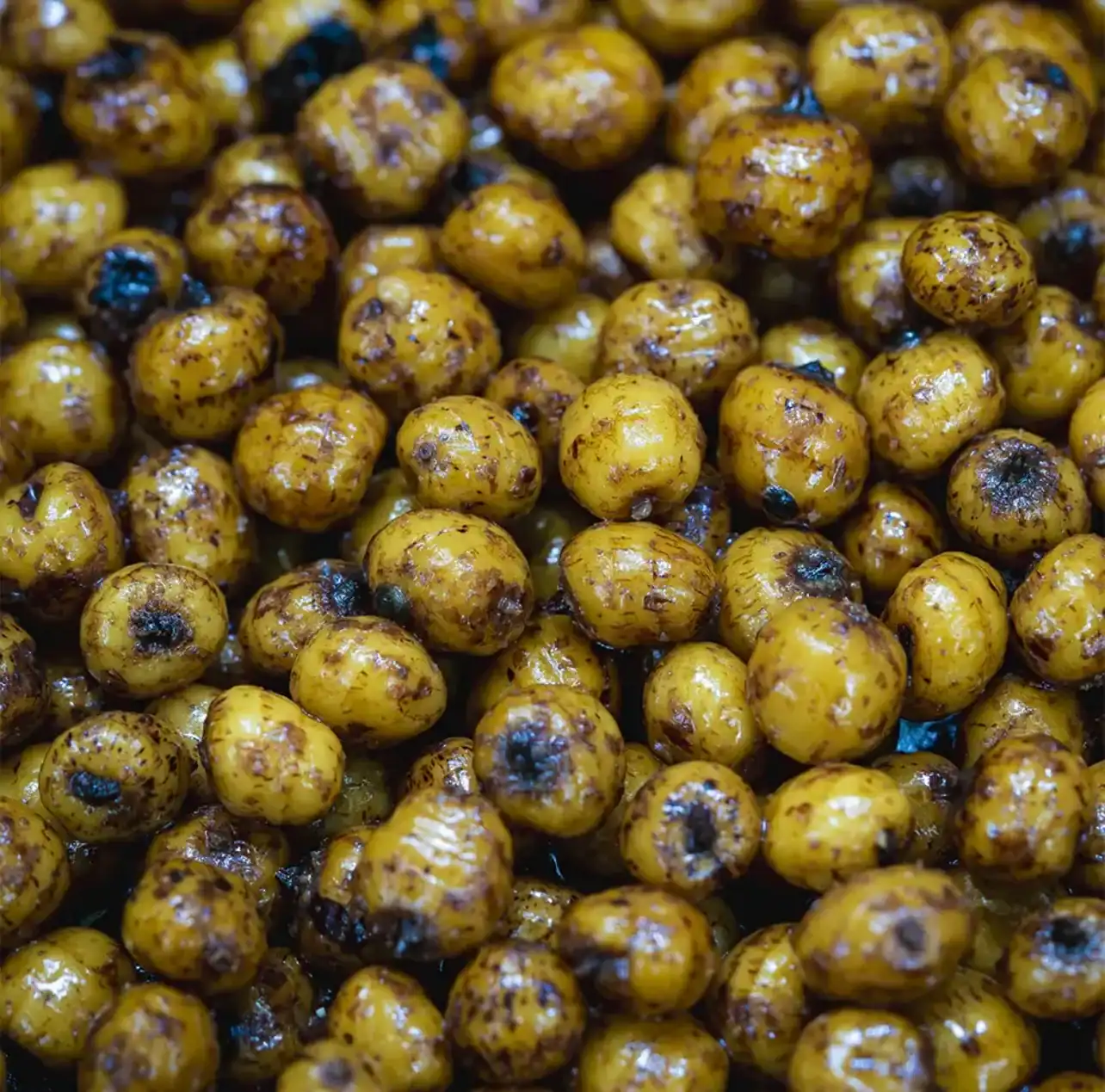
Tiger Nuts
Tiger nuts are a larger, harder bait that carp will often come back to once they’ve found them.
They can be particularly effective on pressured waters where fish have seen a lot of softer, more common bait.
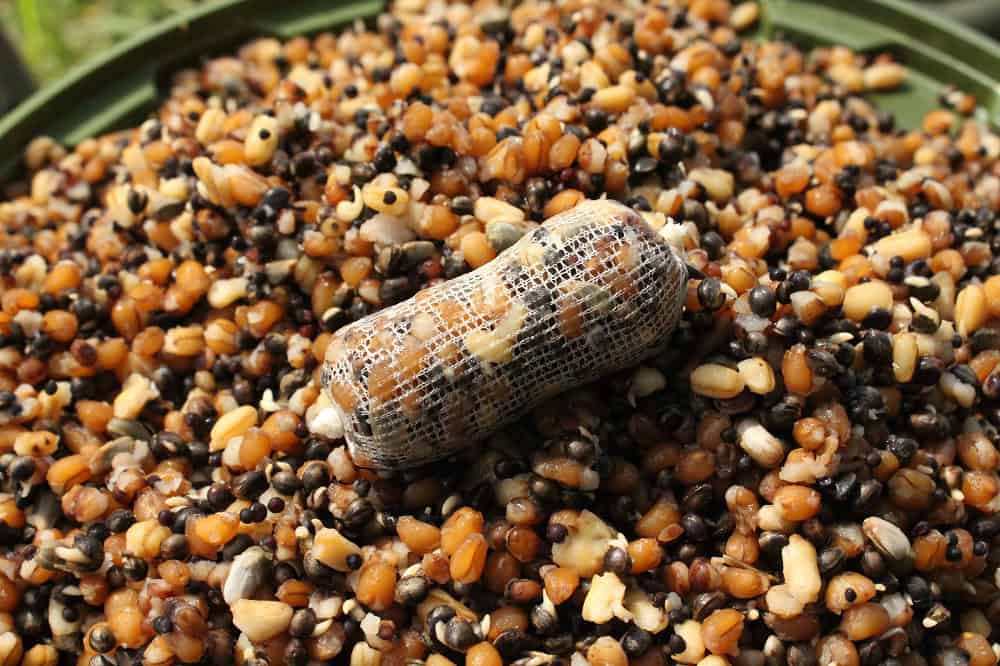
Mixed Particles
Mixed particles of different sizes creates a more natural feeding situation in your swim.
They’re used to keep fish searching and competing, rather than locking onto a single food source.
Why Use Particles For Carp Fishing?
Particle fishing is a strong option when you want to get fish feeding confidently and keep them moving in your swim. Because you’re introducing a mix of sizes, colours, and textures, carp don’t lock onto a single bait — they move around, grazing and searching, which increases your chances of a pickup.
Particles are also one of the most cost-effective ways to bait, especially if you’re looking to introduce a decent amount without it adding up too quickly. Compared to boilies, they let you put more bait into your swim without overthinking it, which makes them ideal for building an area over time and keeping fish returning to it.
The time of year also plays a big part, with particles coming into their own in the warmer months when carp are active and happy to graze and compete, whereas in colder conditions (when feeding slows down), a smaller, more targeted approach is usually more effective than introducing larger amounts of bait.
How To Approach Particle Fishing
Approaching particle fishing is less about doing anything complicated and more about getting the basics right and letting the bait do the work.
You’re trying to create a situation where fish feel comfortable feeding, so how you introduce it and where you place it matters far more than constantly changing things.
A consistent approach tends to work best, because once fish start feeding on particles, keeping them coming back to the same area and building that confidence over time will usually give you better results than chopping and changing your baiting.
That’s where patience comes in, because it’s not always about instant bites – it’s about creating a swim that fish want to return to and feed in naturally.