Carp Fishing Equipment.
What You Need and What Matters
Carp fishing equipment doesn’t need to be complicated — you just need the right gear to fish effectively and with confidence.
There’s a lot out there, and it’s easy to fall into the trap of thinking you need everything to catch carp. In reality, most anglers could strip things right back and still catch just as many fish.
A simple, reliable setup will take you a long way, as long as it suits the way you’re fishing and the type of water you’re on.
Good equipment should make things easier, not give you more to think about. Once you’ve got the essentials sorted, everything else becomes a lot more straightforward.
This section breaks carp fishing equipment down in a way that actually makes sense, so you can focus on what matters and avoid getting caught up in things you don’t need.
Carp Fishing Equipment Explained
Carp fishing equipment is really just a combination of tools that help you present your bait properly, detect bites, and land fish safely.
Each part plays its own role, but they all work together as part of a single setup — from your rods and reels through to your line, terminal tackle, and the gear you use on the bank.
Once you start looking at it that way, it becomes much easier to simplify things – you’re not trying to build the “perfect” setup — you’re just putting together a system that does the job reliably in the situations you’re fishing.
That’s why it’s worth getting familiar with the core areas like carp rods, reels, bite alarms, and terminal tackle, and understanding how each one fits into your overall approach.
Types of Carp Fishing Equipment
Most carp fishing equipment falls into a few core areas, and once you understand what each one does, it becomes much easier to keep things simple.
You don’t need to overthink it — just focus on the basics and build from there.
Carp Rods
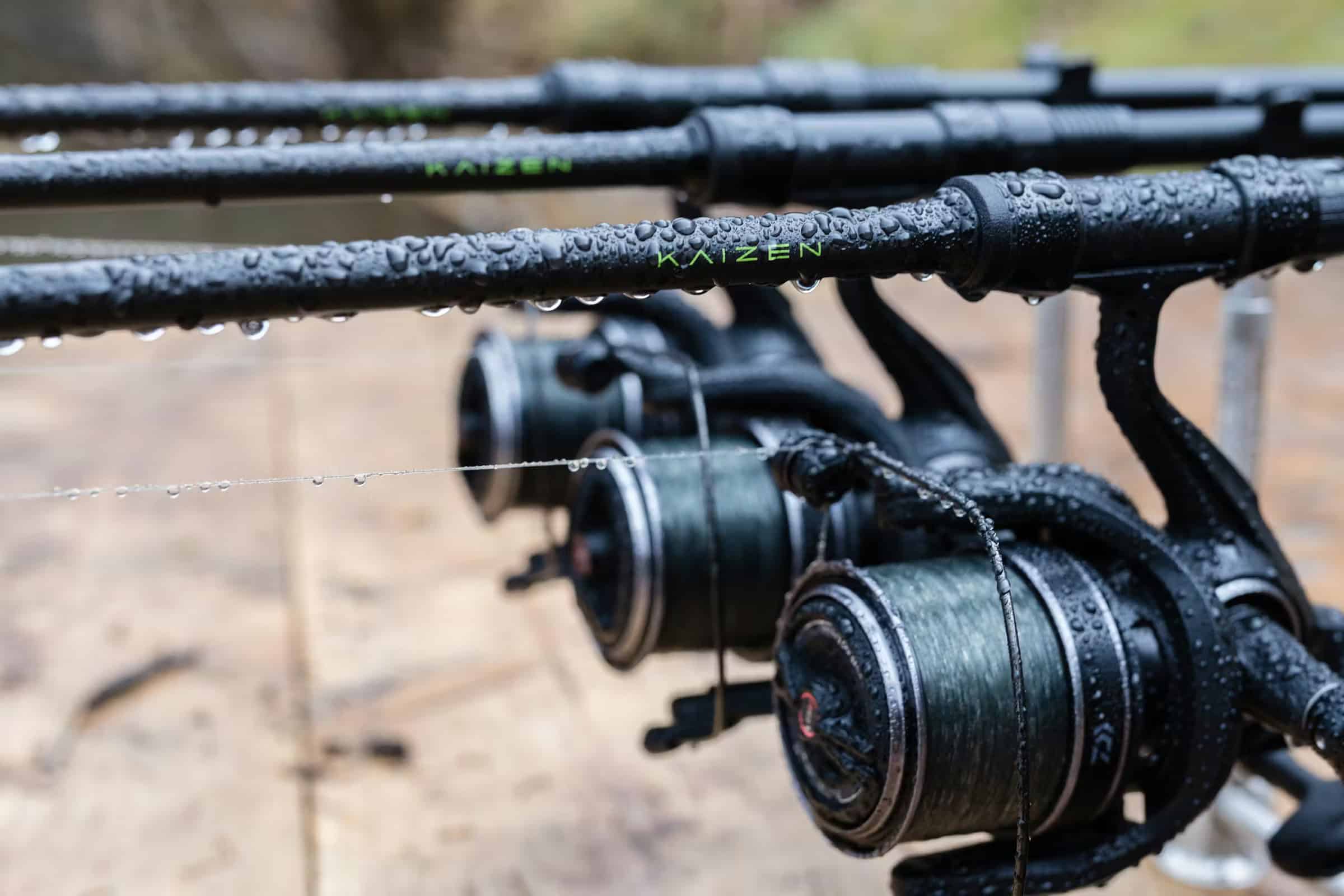
Your rods are what you use to cast, control, and play fish, so they need to suit the type of water you’re fishing.
Most anglers use a versatile setup that covers a range of fishing situations.
Carp Reels
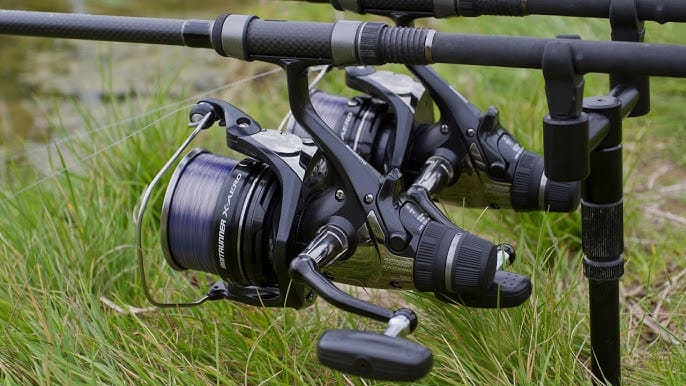
Reels need to be reliable and capable of handling the distances you’re fishing and the size of fish you’re targeting.
A well-balanced rod and reel setup will make everything feel much smoother on the bank.
Bite Alarms
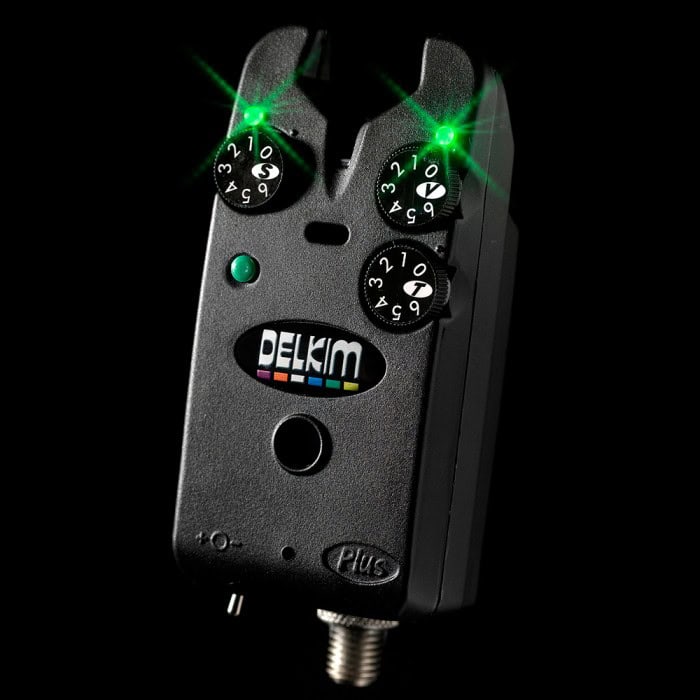
Bite alarms let you know when a fish picks up your bait, especially when fishing multiple rods.
They don’t need to be complicated — just reliable and easy to trust.
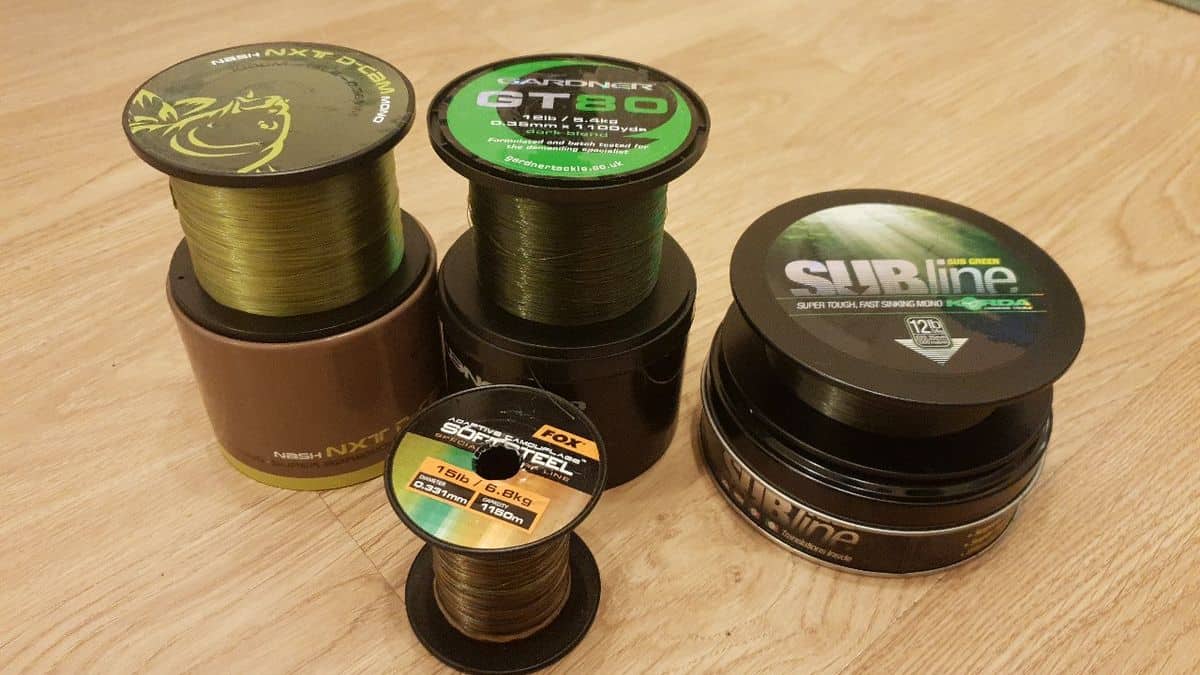
Line & Leaders
Your line and leaders are what connect everything together and play a big role in presentation and control.
Choosing something that suits the lake and conditions is more important than chasing specs.
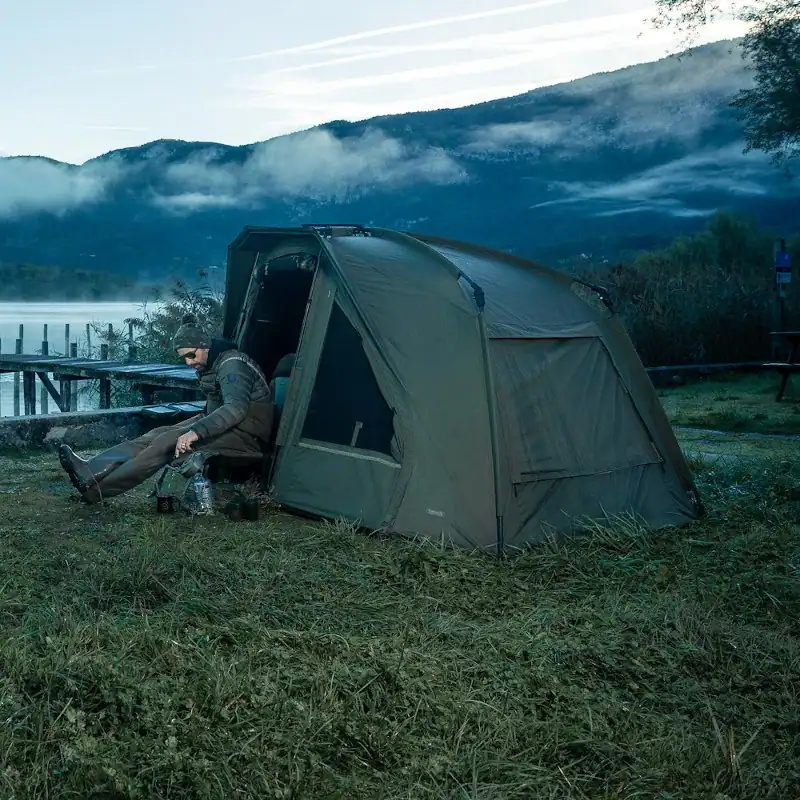
Bivvies
Bivvies give you shelter on the bank, protecting you and your gear from the weather during longer sessions.
A solid setup keeps you comfortable and organised when conditions aren’t ideal.
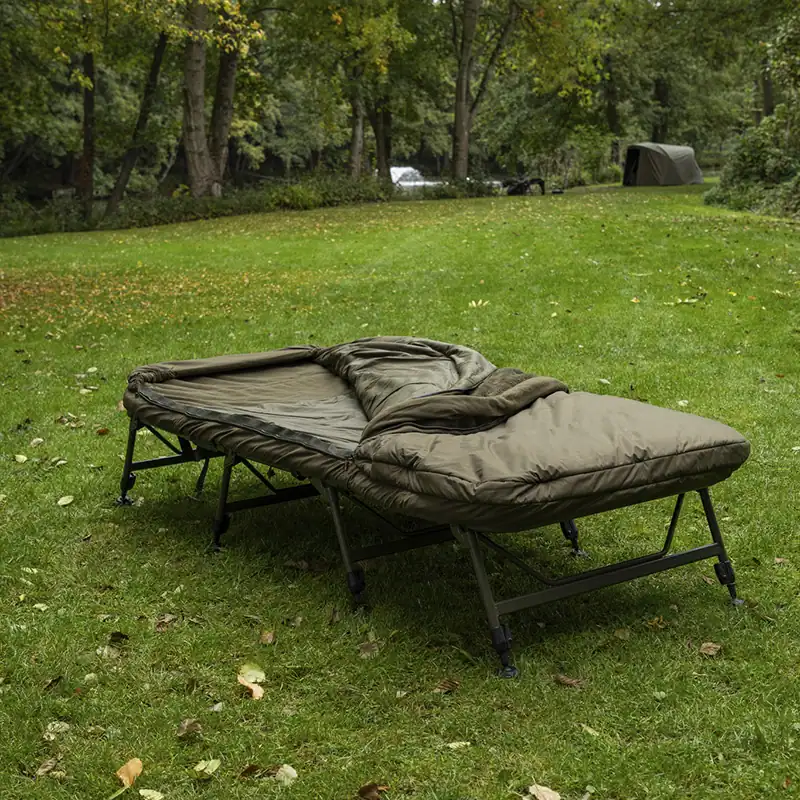
Bedchairs
Bedchairs give you somewhere to rest and recover, which becomes more important the longer you’re on the bank.
A comfortable setup helps you stay focused and ready to react when it matters.
What Actually Matters (And What Doesn’t)
When it comes to equipment, it’s easy to get caught up thinking that better gear automatically means more fish. In reality, a lot of it makes far less difference than people think.
What really matters is having gear that works properly and suits the way you fish – reliable rods and reels, a setup you trust, and equipment that does its job without causing problems will take you a long way.
Things like comfort, organisation, and being able to stay on the bank longer can make a difference too, especially over time. Beyond that, a lot of the small upgrades and constant changes don’t have the impact they’re often made out to.
You’re far better off keeping things simple, learning your setup, and putting your effort into location, watercraft, and presentation — that’s where the real gains are made.
Choosing The Right Setup
Putting a carp fishing setup together is really just about building something that works as a whole, rather than focusing on individual bits of kit. Your rods, reels, and line need to feel balanced, your end tackle needs to do its job properly, and everything should suit the type of fishing you’re doing.
Once you’ve got that in place, things settle down quickly. You’re not worrying about whether each piece is “right” on its own — you’re just using a setup that works consistently every time you’re on the bank.
That’s what gives you confidence, and once that’s there, it becomes much easier to focus on the fishing itself rather than second-guessing your gear.