Oxfordshire
St Johns Carp Fishing Lake,
Linear Fisheries, Oxfordshire
St Johns Lake, Linear Fisheries: Our Rating
Here’s the Carp Tax rating of St Johns Lake at Linear Fisheries. These scores are based on our team’s experience with the lake and facilities. Scores are subjective and are meant solely as a guide to help fellow anglers plan their visit.
Cleanliness
9/10
Facilities
9/10
Peg Spacing
9/10
Ticket Price
8/10
A Quick Look at St Johns Lake, Linear Fisheries
Set within the Linear Fisheries complex near Witney in Oxfordshire, St Johns Lake is one of the best-known day ticket carp waters in the country — and for good reason. It has that classic Linear feel: busy at times, full of expectation, and capable of producing a memorable session if you get your location and timing right.
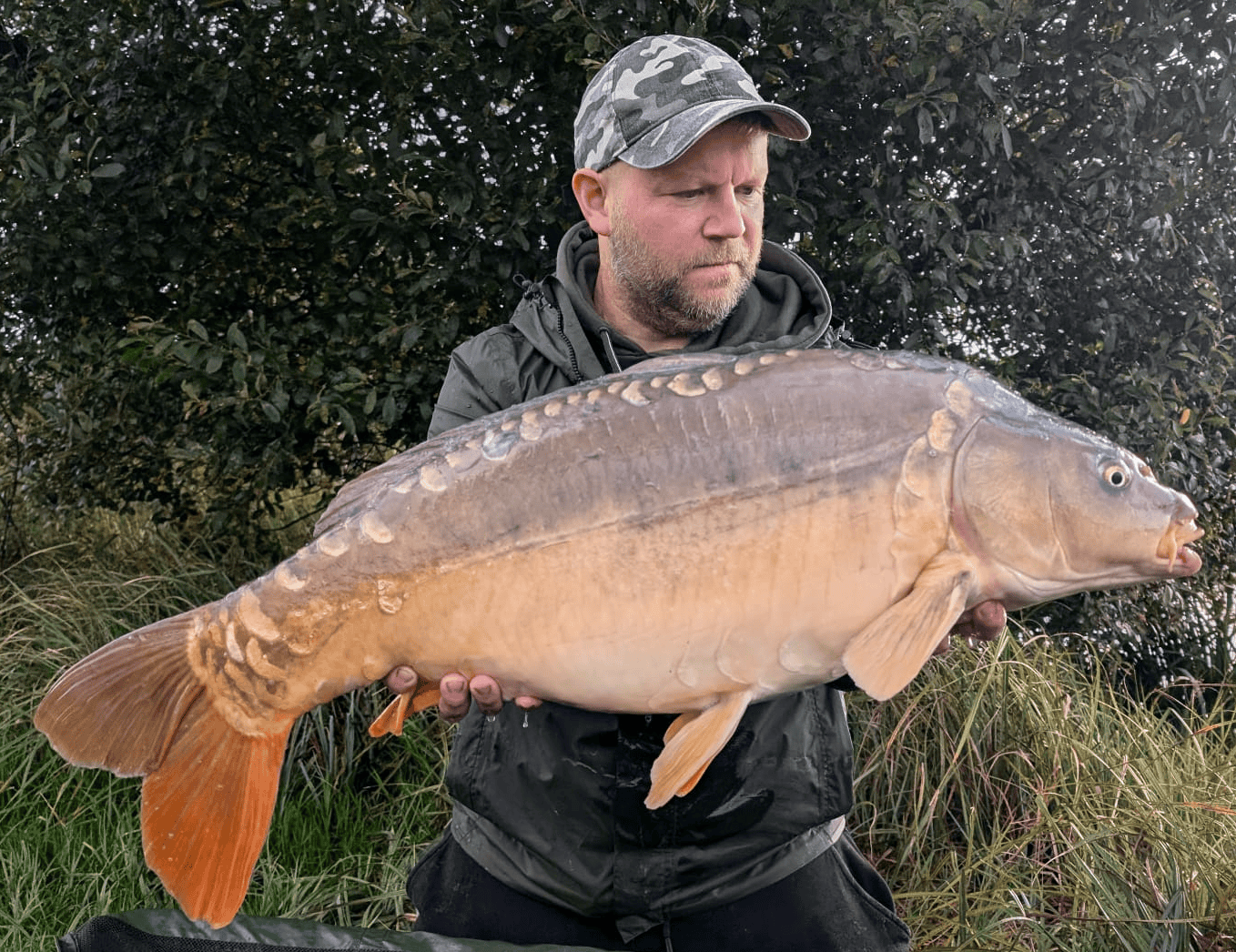
The stock is the big pull. St Johns holds a strong head of carp with plenty of upper doubles and twenties, a good number of thirties, and always the chance of a better one if things fall into place. It’s not a guaranteed runs water, but it’s a lake where good angling can be rewarded quickly.
49lb
lake record
18
acres
39
pegs
8ft
average depth
About St Johns Lake
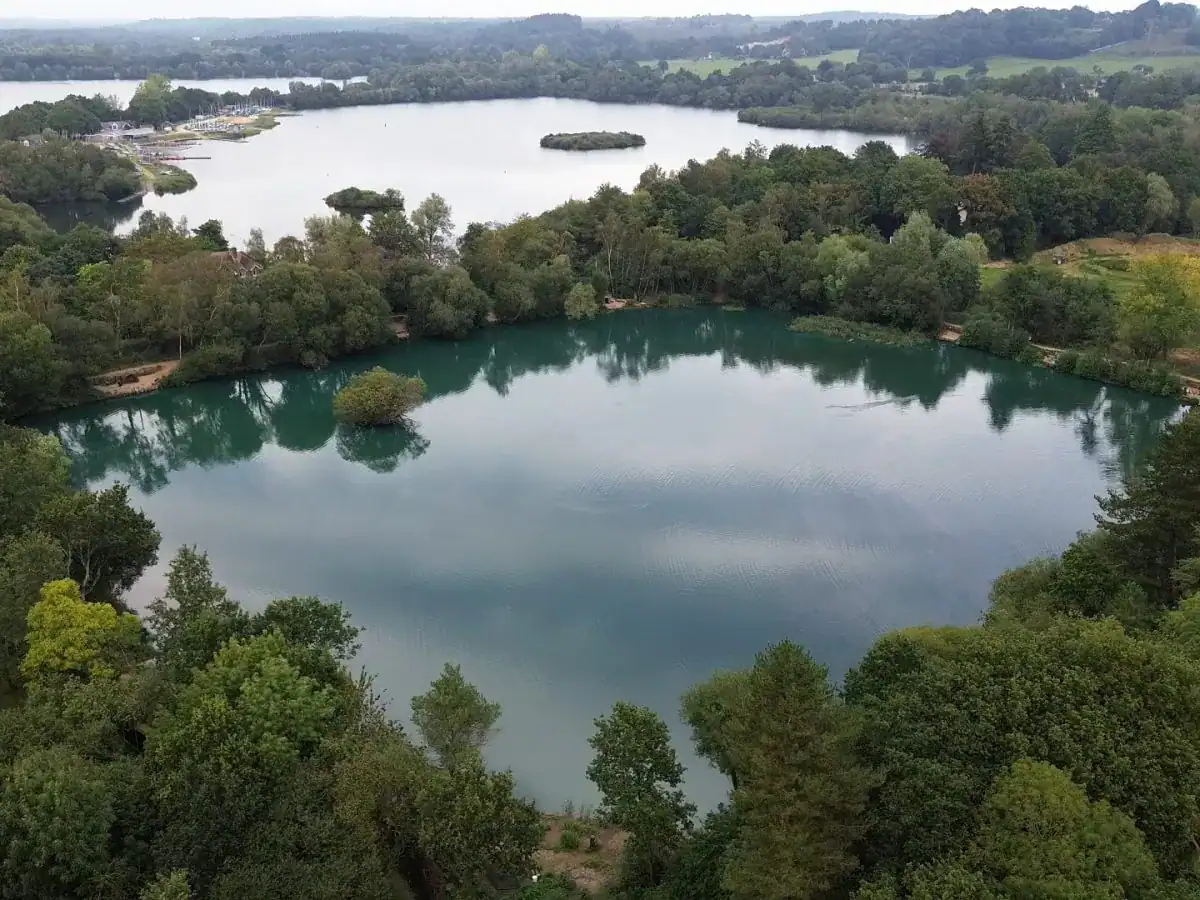
St Johns is around 18 acres and sits fairly central in the Linear line-up in terms of size, with a good spread of swims covering open water, margins, bars, plateaus, and more subtle changes in depth. Depths run from around 4ft in the shallows down to 14ft in the deeper areas, with an average of roughly 8ft.
The lake has a varied layout, with different areas naturally holding fish at different times depending on conditions and pressure. Some swims give you access to open water and showing fish, while others are more about fishing to features or working the margins. It’s a well-used water, so fish movement and angling pressure play a big part in how the lake behaves from one day to the next.
How to Approach St Johns Lake
St Johns isn’t a chuck-it-out-and-wait kind of water. It’s busy, it sees a lot of lines, and the fish are well used to angling pressure — so how you approach it makes all the difference.
The biggest edge you can give yourself is location. Before you even think about casting, spend time watching the water. Fish will show, especially in the right conditions, and it’s often worth holding back or even moving swims if you’re not seeing signs in front of you. Sitting it out in a “nice-looking” peg rarely beats being on fish here.
If you’re new to the lake, keep things simple and stay flexible. Don’t overload spots or commit too heavily early on. A couple of rods on showing fish or likely areas will often outfish a big bed of bait dropped in the wrong place. As the session develops, you can build on what you learn.
Zigs can be a real edge, particularly when the fish are up in the water during warmer conditions or flat, calm spells. At the same time, there are always fish to be caught on the deck — especially by finding clean spots on bars or subtle plateaus and presenting a bait well. It’s worth having both approaches in mind and switching if things aren’t happening.
The margins are another area that can produce, especially during quieter periods or overnighters when the lake settles down. If you’re in a swim with good edge features, it’s always worth giving them a rod rather than focusing everything at range.
In terms of who it suits, St Johns is best approached with a bit of experience and an open mind. You don’t need to be an expert, but you do need to be willing to adapt, move if needed, and fish what’s in front of you. If you’re after easy, consistent action, there are simpler waters out there — but if you put the effort in here, you’ve always got a chance of a proper fish.
Stock Levels
St Johns isn’t short of quality fish — far from it. A big proportion of the stock sits comfortably over the 20lb mark, with at least 40 carp over 30lb, so every bite has the potential to be a proper one.
When conditions line up, there are some serious fish to go at. Multiple carp have been recorded over 47lb, and at the right time of year there are several fish capable of pushing past the 40lb barrier. The lake has also produced some standout specimens, with fish topping 48lb+ for commons and mirrors, and a ghosty that’s gone just under the 50lb mark.
It’s that mix of numbers and genuine size that makes St Johns so appealing — you’re not just fishing for the odd big fish, you’re fishing in a lake where plenty of them exist.
Tickets & Booking Information
Linear doesn’t run an online booking system for its main lakes — it’s all done on a first come, first served basis when you arrive on site. That means if you’ve got your heart set on St Johns, it’s worth getting there early, especially at weekends or during the warmer months when the complex is at its busiest.
On arrival, you’ll check in at the on-site tackle shop, where the bailiffs will let you know what swims are available and point you in the right direction. It’s a straightforward system, but it does mean you need to be a bit flexible — if St Johns is full, having a backup plan on another Linear lake is always a smart move.
Tickets are typically issued for day and night sessions, with rules and pricing clearly explained when you arrive. As with most busy day ticket venues, respecting the rules and the other anglers on the lake goes a long way to making sure everyone gets a fair crack at it.
Tip: If St Johns is full, don’t waste the trip — lakes like Brasenose One or Hardwick & Smiths often produce just as well on their day.
Fishing Rules at St Johns Lake
St Johns follows the main Linear Fisheries rules, so it’s worth knowing the basics before you get set up. The rules are mainly there to protect the fish, keep the lakes safe, and make sure everyone on the complex gets a fair session.
The main rules to know before fishing St Johns:
- Parking: Use the proper car parks only. Don’t park on grass, block gates, or stop on the B4449 or entrance to Manor Farm Lake and St Johns.
- Swims: You cannot reserve swims, apart from specific exceptions. You can place a bucket in a swim when you first arrive, but you must return quickly with your tackle.
- Rods: Up to three rods are allowed, provided you have the correct Environment Agency rod licence.
- Hooks: Barbed or barbless hooks may be used.
- Fish care: Unhooking mats must be used, fish must be kept low to the ground, and carp sacks are not allowed.
- Retention: Floating retention slings may be used for up to 30 minutes while mats, scales, and cameras are prepared.
- Bait: There are no general bait bans, but seeds, nuts, peas, and beans must be properly soaked, cooked, and used in moderation.
- Maggots: Maggots and similar baits can be used as hookbaits, in PVA bags, or in feeders, but not spodded out.
- Rigs: Permanently fixed leads are not allowed, and bailiffs may check rigs.
- Spombs: Spombs must be used with a spomb float attachment.
- Wading: Not allowed for placing baits, except when helping to safely net or release fish in shallow water.
- General conduct: No boats, drones, bait boats, radios, fires, swimming, drugs, heavy drinking, or litter.
St Johns is a busy, well-run Linear water, so it pays to turn up prepared and fish within the rules from the off. Rules can change, so always check the latest Linear guidance or speak to a bailiff if you’re unsure.
Pegs, Access & Facilities
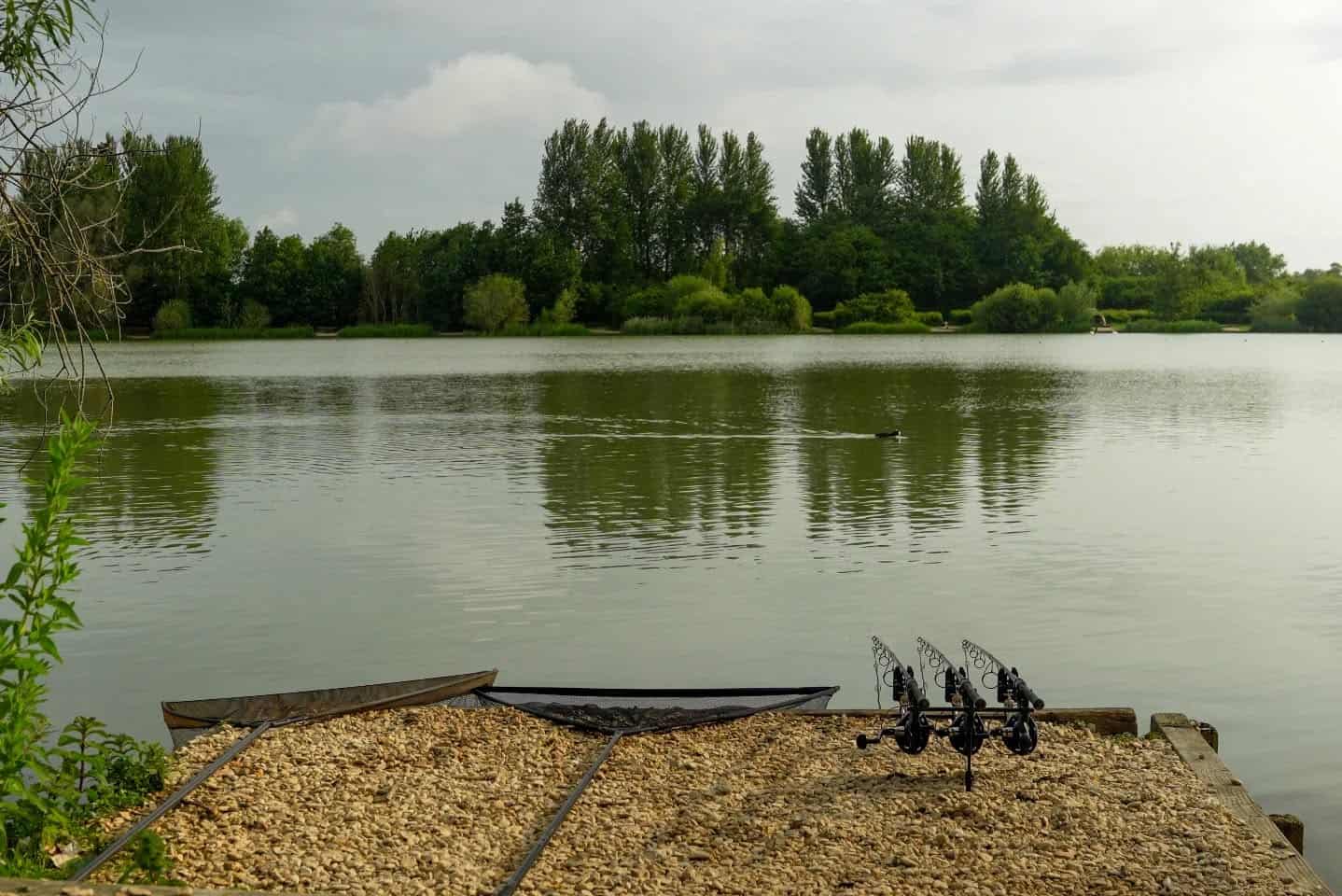
St Johns has a good number of well-spaced pegs around the lake, giving you access to both open water and key features without feeling too cramped. Some swims naturally command the better areas — especially where bars and depth changes come into play — so where you draw can have a big impact on how your session unfolds.
Access is simple enough. You’ll park in the designated areas and barrow your gear round to the swim, so a solid barrow setup is well worth having, particularly if you’re carrying a bit of kit. It’s all manageable, but being organised helps — especially on busy days when swims are turning over.
Facilities across the Linear complex are a real plus. There are clean toilets and hot showers on site, which make longer sessions far more comfortable. There’s also an on-site tackle shop for the essentials, and you’re never far from local takeaways if you fancy an easy option.
Overall, it’s a well set-up venue that handles a lot of anglers without it feeling over the top. Get yourself sorted early, travel sensibly, and once you’re in the swim, you can focus on the fishing.
Location & Considerations
St Johns sits within the Linear Fisheries complex near Witney in Oxfordshire, just outside the village of Hardwick. Despite being one of the most popular day ticket venues in the country, it still feels surprisingly tucked away once you’re on the bank, with the surrounding countryside giving it a bit of space from the outside world.
Being a fairly open lake, wind and weather play a big part in how it fishes. A decent blow can push fish into certain areas of the lake, while calmer conditions often see them spread out or show in open water. It’s worth keeping an eye on the forecast before you arrive and adjusting your swim choice accordingly, rather than just settling in the first available peg.
Access is straightforward from the main road network, with good links via the A40 and surrounding routes, making it an easy run whether you’re coming from Oxford, the M40, or further afield. Just bear in mind that Linear can get very busy — especially at weekends and during the warmer months — so arriving early can make a big difference if you’ve got a particular lake or area in mind.
Other Carp Lakes at Linear Fisheries
All carp lakes at Linear FisheriesIf St Johns is busy or you fancy a change, Linear has several other lakes that can produce just as well on their day — often with less pressure. It’s easy to get fixated on St Johns because of its reputation, but lakes like Brasenose One, Hardwick & Smiths, or Oxlease are all capable of producing proper fish and can sometimes offer a quieter, more manageable session.
Frequently Asked Questions About St Johns Lake
Is St Johns Lake good for beginners?
St Johns can be fished by beginners, but it’s not the easiest water on the Linear complex. It’s a busy, pressured lake where location and watercraft make a big difference. If you’re willing to stay mobile, watch the water, and keep things simple, you can catch — but if you’re after easy, consistent action, there are more forgiving lakes on the complex.
How big is St Johns Lake?
St Johns Lake is around 18 acres, making it a medium-sized water within the Linear Fisheries complex. It’s big enough to require a bit of thought in terms of location, but still manageable for short sessions.
How deep is St Johns Lake?
Depths range from around 4ft in the shallows down to 14ft in the deeper areas, with an average depth of roughly 8ft. This variation allows for a mix of approaches, depending on conditions.
How many pegs are there on St Johns Lake?
St Johns has around 39 pegs, spaced around the lake to give access to both open water and key features. Availability can vary, especially during busy periods, so arriving early helps secure a good swim.
Are bait boats allowed at Linear Fisheries?
No — bait boats are not allowed anywhere on the Linear Fisheries complex. All casting (including spods, spombs, markers) must be done by hand in line with the fishery rules. This applies across all lakes on the complex, including St Johns.
Do you need to book St Johns Lake in advance?
No, Linear Fisheries operates on a first come, first served basis. You simply turn up, check in at the on-site tackle shop, and choose from the available swims. Because of this, it’s worth arriving early—especially at weekends or in warmer months when demand is high.
What’s the best time of year to fish St Johns Lake?
St Johns can produce all year, but it really comes into its own in the spring, summer, and early autumn when the fish are more active and showing regularly. In warmer conditions, methods like zigs can be particularly effective, while cooler months often require a bit more patience and precise location.